
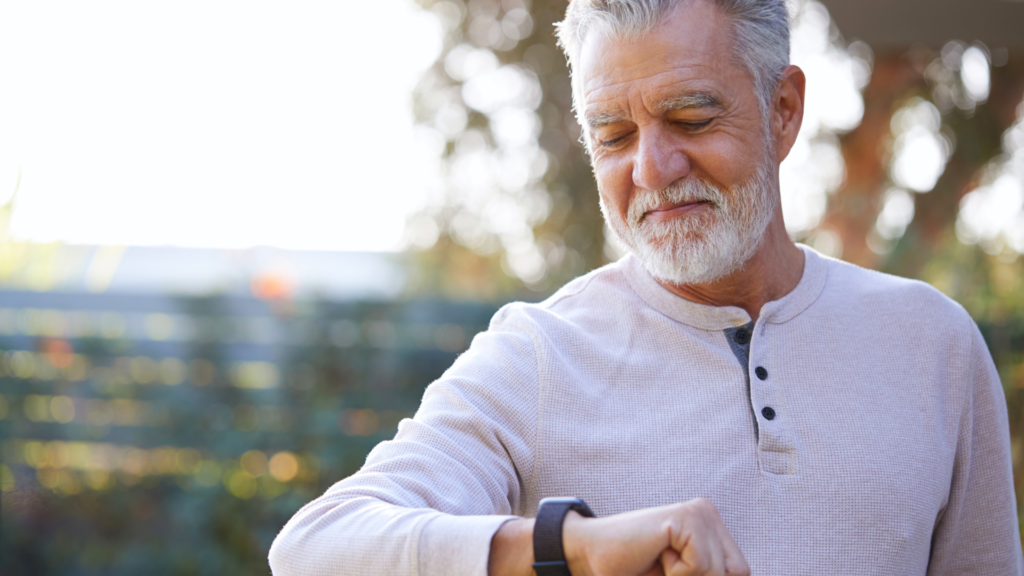
Wearable technology has emerged as a valuable tool in enhancing senior living. These devices can monitor health metrics, track activity levels, and provide alerts for emergencies, promoting an independent lifestyle while ensuring safety. The integration of wearables empowers seniors by fostering a sense of security and connection to their healthcare. Plus, with support from personal trainers who focus on Fall Prevention for seniors and helping them to build strength, seniors can feel safer in their homes as well as out and about.
As the population ages, the demand for innovative solutions grows. Seniors can benefit from features like fall detection, heart rate monitoring, and medication reminders. This technology not only aids in health management but also encourages active participation in personal wellness.
Embracing wearables can significantly improve the quality of life for seniors. With user-friendly designs and accessible functions, these devices can support them in staying engaged, active, and healthy. The right wearable can be a game-changer in navigating the complexities of aging.
The Advantages of Wearables for Seniors
Wearables offer numerous benefits specifically tailored for seniors, focusing on safety, and health, and promoting an active lifestyle. These devices enhance daily living while providing peace of mind for both seniors and their caregivers.
Enhancing Safety and Security
Wearable devices prioritize safety and security through features such as fall detection and emergency alerts. Many models come equipped with an SOS button that allows seniors to alert emergency services or family members with a simple push.
Fall detection systems utilize sensors to detect sudden movements associated with falls. This feature can automatically contact medical emergency assistance if the user is unable to respond.
The technology behind these devices is designed for ease of use. Large buttons and clear interfaces make navigation simpler for seniors. With accessibility in mind, these medical alert systems in Canada (or in other locations) help seniors maintain their independence while enhancing safety.
Promoting Health and Wellness
Health monitoring is a key advantage of wearables, allowing seniors to track vital metrics easily. Devices offer heart rate monitoring, blood pressure tracking, and even sleep analysis.
Many wearables also include medication reminders. This function helps users stay on schedule with their prescriptions, reducing the risk of missed doses. By enabling regular health check-ins, seniors can maintain a better understanding of their well-being.
Fitness tracking features such as step counting and activity tracking encourage seniors to engage in regular physical activity. This not only supports physical health but can improve mood and cognitive function.
As we get older, it is essential that we take into account our health and wellness. This doesn’t just apply to healthcare, but personal care to help alleviate stress and anxiety which can build as the years go on. Getting seniors out and about is essential to help them keep up socialising, as does taking them for relaxing activities, e.g. Massage Therapy in Wheaton, IL (or elsewhere). All of this combined can give them a better chance of feeling and looking good, putting less pressure on healthcare services.
Facilitating an Active Lifestyle
Wearable technology encourages seniors to remain active, facilitating physical engagement tailored to their capabilities. Many devices include fitness-tracking functionalities that help seniors set and monitor their activity goals.
Apps linked to wearables often provide customizable reminders for exercise routines or walking schedules. This aspect fosters a sense of routine and commitment to an active lifestyle.
Additionally, the ability to monitor physical activity allows home care providers and caregivers to support and motivate seniors. By combining comfort and technology, seniors can participate in various activities, enriching their quality of life and promoting overall well-being.
Top Wearable Devices for Seniors
Wearable devices can enhance safety and promote wellness for seniors. Selecting the right smartwatch or fitness tracker involves understanding key features tailored to individual needs.
Choosing the Right Smartwatch
When considering smartwatches for seniors, several models stand out. The Apple Watch SE offers extensive health monitoring features, including heart rate tracking, fall detection, and GPS tracking. It also boasts a user-friendly interface.
Another strong contender is the Kanega Watch, designed specifically for seniors. It provides vital health metrics and emergency alerts, ensuring peace of mind for caregivers. The MGMove Watch emphasizes fall detection and step counting, which are crucial for active seniors.
Battery life is essential; seniors benefit from devices that require less frequent charging. Smartwatches with longer battery life can provide continuous health monitoring and notifications without interruptions, enhancing their reliability.
Important Fitness Tracker Features
Fitness trackers should focus on specific features beneficial for seniors. Step counting is fundamental, as it encourages regular movement and track progress. Accuracy in tracking physical activity contributes to a more comprehensive understanding of fitness levels.
In addition to step counting, sleep quality monitoring is crucial. Many fitness trackers offer insights into sleep patterns, allowing users to make informed adjustments for better rest.
Health monitoring features like heart rate and blood pressure tracking are vital. Devices that sync with mobile apps can provide detailed reports and alerts. This seamless integration is particularly important for those managing chronic conditions, ensuring they stay informed about their health status.
Critical Features and Technology
Wearables designed for seniors incorporate advanced technology to enhance health monitoring and emergency support. Key features such as health tracking and durable designs ensure usability and reliability.
Health and Fitness Monitoring Capabilities
Wearable devices often include heart rate monitors that provide continuous heart rate tracking. This feature is essential for monitoring cardiovascular health, allowing users to detect irregularities early.
Many devices also offer fitness tracking functionalities, measuring steps, distance, and calories burned. Some models include sleep monitoring to track sleep patterns, helping users understand their rest quality.
Compatibility with smartphones ensures easy access to health metrics. Seniors benefit from user-friendly interfaces, allowing them to navigate the features without difficulty. Durability is critical for wearables, as seniors may have varying degrees of tech-savviness and physical ability.
Utility and Emergency Features
Emergency response features are crucial for providing peace of mind to seniors and their families. Most wearables come equipped with an emergency SOS button, allowing users to send alerts quickly.
Location tracking features, including GPS tracking, enable users to share their location with designated contacts. This becomes vital in emergencies, where quick response times can make a difference.
Furthermore, many wearables offer emergency medical alerts, linking users with emergency support services. This feature is particularly useful for seniors living alone, as immediate response can be life-saving. These functionalities ensure that seniors can engage with technology confidently while maintaining their independence.