
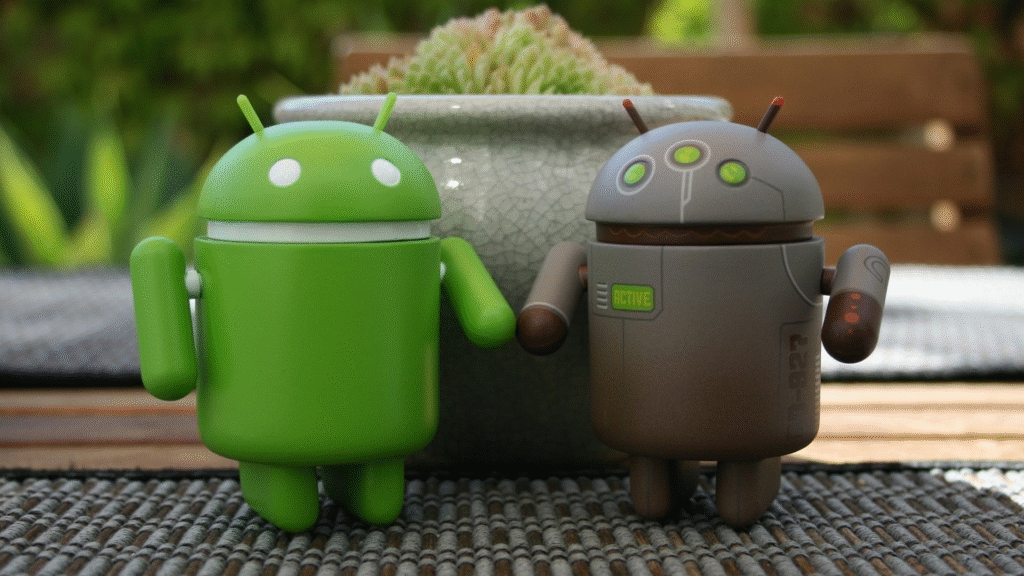
Choosing between iOS and Android can be a crucial decision for smartphone users. Each operating system has distinct features, strengths, and user experiences that cater to different preferences. iOS is ideal for those who value seamless integration with Apple devices and a user-friendly interface, while Android offers greater customization and a variety of hardware options.
The competition between Apple and Google in the smartphone market drives continuous innovation and improvements. iOS provides a more controlled ecosystem, ensuring security and stability, which appeals to users who prioritize a straightforward experience. In contrast, Android users benefit from flexibility and a wider selection of devices across various price ranges.
Understanding personal needs and usage habits is key to making the right choice. Whether looking for an iPhone or an Android device, evaluating the available features and ecosystem can help users find the smartphone that best fits their lifestyle.
Core Differences Between iOS and Android
The distinctions between iOS and Android significantly influence user experience. Key aspects include the operating system’s design, update cycles, and security and privacy features.
Operating System and User Interface
iOS, developed by Apple, is known for its streamlined and consistent user interface. It offers a cohesive experience across all iPhone models. The design focuses on simplicity, making it user-friendly, especially for those unfamiliar with technology.
In contrast, Android, created by Google, provides a more flexible user interface. Users can personalize their devices with widgets and custom launchers, allowing for a tailored experience. Many Android phones come with manufacturer-specific skins that can alter the appearance.
Both systems support a wide range of applications, but their app stores differ in curation. Apple’s App Store generally has stricter guidelines, while Google Play allows more flexibility for developers.
Update Cycle and Software Support
Apple provides regular updates to iOS, ensuring all supported devices receive the latest features and security patches simultaneously. Typically, Apple supports iPhone models for about five to six years. Users benefit from immediate access to software updates, reducing fragmentation.
Android’s update cycle varies by manufacturer. Although Google’s Pixel devices receive timely updates, other brands may lag significantly. While Android devices usually can expect security updates for two to three years, this can differ widely among manufacturers.
Some Android phones offer custom ROMs, which can extend the life of a device or provide features not available in standard updates. This can be appealing for tech-savvy users.
Security and Privacy Features
iOS emphasizes security and privacy, with features like secure boot chains and verified boot processes. iCloud provides users with options for data backup and security. Apple’s privacy practices focus on user data protection, limiting tracking by third-party apps.
Android has made strides in security through regular updates and enhanced features in recent versions. Google Drive offers similar backup solutions, but there may be variability in security across different Android devices.
Each platform also offers security options like biometric authentication. iOS has Face ID and Touch ID, while many Android devices come with fingerprint sensors or facial recognition.
Ultimately, users weigh these core differences to determine which platform suits their preferences and needs.
Comparing Ecosystems and Hardware
The ecosystems of Apple and Android offer distinct experiences shaped by their integration of hardware and software. Each has advantages that cater to different user preferences and needs.
Apple and Android Device Ecosystems
Apple’s ecosystem is tightly interwoven, featuring products like the iPhone, iPad, and MacBook. Services such as AirDrop, FaceTime, and iCloud ensure seamless connectivity and synchronization across devices. Users benefit from a consistent experience, enabling smooth transitions between devices.
In contrast, Android provides a more fragmented ecosystem, with various manufacturers like Samsung, OnePlus, and Google’s Pixel series. This fragmentation allows for greater customization and flexibility in hardware choices, but may lead to inconsistencies in software updates and user experience.
Hardware Variety and Choices
Apple’s hardware options include the iPhone 17, iPhone 17 Pro Max, and a range of iPads. Each device is designed for performance and longevity, often prioritizing aesthetics and build quality. The choice is limited to a few models per year, but each generally supports a high resale value. Despite their durability, everyday accidents can still take a toll. In such cases, timely iphone screen repair or addressing other issues helps maintain both functionality and appearance, ensuring the device continues to deliver the premium experience Apple is known for.
Android devices offer an extensive variety across brands. Choices range from budget-friendly options to premium models like the Pixel 8 Pro. Manufacturers often differentiate their products with unique features, display sizes, and camera capabilities. This variety caters to a broad spectrum of needs and budgets, making it easier for users to find a suitable match.
App Experience and Customization
The app experience and customization options on iOS and Android significantly differ, impacting how users interact with their devices. Both platforms offer unique strengths in app quality and personalization features.
App Stores and App Quality
iOS users access the App Store, while Android users utilize the Google Play Store. The App Store generally has stricter guidelines for app submissions, often leading to higher-quality applications. Developers must meet Apple’s standards, resulting in fewer bugs and better performance.
In contrast, the Google Play Store allows for wider distribution, including more niche applications. While this increases choices for users, it can also lead to variable app quality. Users might encounter a higher number of poorly designed or malfunctioning apps when browsing Android options.
Personalization and User Experience
Customization abilities differ markedly between iOS and Android. Android provides more flexibility, allowing users to change launchers, icons, and even entire user interfaces. Widgets on Android offer interactive information display on the home screen, supporting a user-friendly environment by enhancing accessibility.
iOS, while more limited in customization, focuses on delivering a sleek and cohesive experience. Users can rearrange app icons and utilize built-in widgets, but options remain constrained compared to Android. The focus is on a seamless user experience, ensuring apps are easy to access and navigate.
Virtual Assistants and Features
Both platforms feature robust virtual assistants—Siri for iOS and Google Assistant for Android. Siri is integrated tightly within the Apple ecosystem, allowing users to control apps and settings using voice commands.
Google Assistant, known for its superior search capabilities, excels at providing contextual responses. Users often find it more engaging for daily tasks, thanks to its integration with various apps and services. Both assistants enhance the user experience, though Google Assistant often demonstrates broader functionality across devices and applications.
Other Factors to Consider
When choosing between iOS and Android, battery life, storage options, and the ability to expand storage are important aspects to evaluate. Each platform has its own strengths, which can significantly affect user experience.
Battery Life, Storage, and Expandability
Battery life varies greatly between iOS and Android devices. Many Android devices offer larger batteries, leading to longer usage times. For instance, some flagship Android models can exceed 4,000 mAh, while iOS devices typically range from 2,500 to 3,200 mAh. However, efficiency with iOS often results in comparable longevity.
Storage options differ significantly as well. iOS devices come with fixed storage capacities, ranging from 64GB to 1 TB. In contrast, Android devices frequently provide expandable storage through microSD cards. This offers flexibility for users who need additional space for apps, photos, and videos.
In summary, considering battery life and storage will help users make a more informed decision. The diverse options available on Android devices can appeal to those who prioritize expandability, while iPhone users might appreciate the seamless integration of hardware and software.