
The integration of robotics into everyday home life is transforming how people manage their daily routines. From vacuuming to cooking, robotic devices are becoming essential tools that enhance convenience and efficiency in households. Homeowners can now enjoy increased leisure time and reduced everyday tasks thanks to the advancements in robotic technology.
Robots are designed to assist with mundane chores, allowing individuals to focus on more meaningful activities. Smart home systems, featuring robotic elements, enable seamless control over many household functions, contributing to an overall improved quality of life. These innovations are not only practical but also signify a shift towards more automated living environments.
As the technology matures, the presence of robotics in homes is expected to grow even further. Companies are continually developing new products that blend artificial intelligence with user-friendly designs, paving the way for a future where robotics plays a pivotal role in personal and home management. This evolution invites curiosity about what everyday life will look like in a world increasingly populated by robots.
How Robotics Is Transforming Everyday Home Life
Robotics is increasingly integrated into daily household activities, making life more convenient and efficient. From automating chores to enhancing security, these innovations enable homeowners to relish more leisure time while ensuring a safer living environment.
Automation of Household Chores
Robots are revolutionizing household chores through automation. Devices like robotic vacuum cleaners, such as the Roomba, effectively clean floors without manual effort. These machines utilize sensors and artificial intelligence to navigate spaces, avoiding obstacles and adjusting to different surfaces.
Key features include:
- Scheduled Cleaning: Homeowners can program cleaning times.
- Smart Mapping: Creates a visual layout of the home for efficient cleaning paths.
This automation allows individuals to focus on other tasks, greatly enhancing productivity at home.
Integration With Smart Home Assistants
The synergy between robotics and smart home assistants, like Alexa and Google Assistant, amplifies the capabilities of home automation. These systems streamline control of robotic devices through voice commands, making operations simpler and more accessible.
For example:
- Voice Activation: Users can instruct robots to start cleaning or perform tasks hands-free.
- Integration with Other Smart Devices: Robotics can collaborate with lights, thermostats, and security systems for optimized home management.
This interconnected approach results in a more cohesive smart home experience.
Robotic Security and Monitoring
Robotic technology is also prominent in enhancing home security. Various robotic devices are now employed for monitoring and surveillance, providing peace of mind for homeowners.
Features include:
- Robotic Cameras: Equipped with AI, these can detect movement and send alerts.
- Remote Access: Homeowners can monitor their properties in real-time via smartphone apps.
Such advancements in security help to effectively deter intruders and monitor home safety, transforming how residents protect their living spaces.
Popular Types of Home Robots and Their Applications
Home robotics has evolved significantly, introducing various tools designed to enhance everyday life. From cleaning to companionship, these robots offer practical solutions for families.
Robotic Vacuum Cleaners and Floor Care
Robotic vacuum cleaners are a popular choice for home automation. Models like the Roomba utilize AI-powered technology to navigate spaces, avoid obstacles, and efficiently clean floors.
These devices often come with features such as scheduled cleaning, where users can set specific times for vacuuming. Many models also have mopping functions, allowing for a more comprehensive floor care system.
Dust and pet hair are common challenges in homes, and robotic vacuums can address these effectively. Their compact design makes them suitable for various spaces, and many can easily transition between different floor types.
Assistive and Companion Robots
Assistive and companion robots serve both practical and emotional roles in a household. These robots can help elderly individuals with daily tasks like medication reminders and simple household chores.
Many companion robots are designed for interaction, providing conversation and companionship. Some models utilize voice recognition and simple AI to understand and respond to users.
These robots can also provide safety features like fall detection, enhancing peace of mind for families. Their presence can significantly improve social interaction for the elderly or those with limited mobility.
Educational Robots for Families
Educational robots are becoming increasingly popular for families with children. These robots often incorporate coding, programming, and interactive learning experiences.
Users can engage with these robots to build problem-solving skills in a fun manner. Many educational robots are designed to be user-friendly, appealing to children and parents alike.
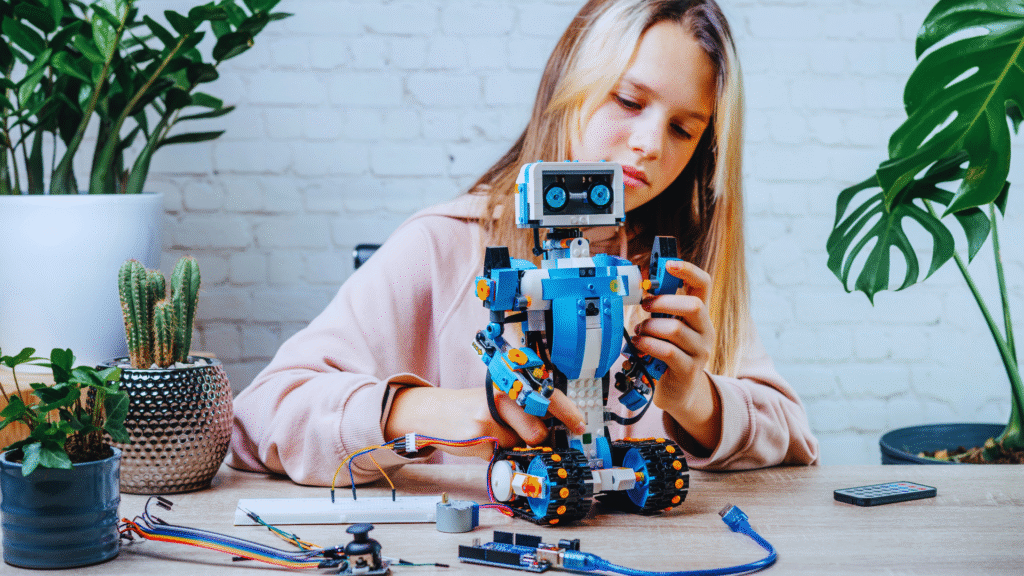
Robots like Botley or LEGO Mindstorms allow kids to create and control robotic models, fostering creativity and critical thinking. By blending play with education, these robots offer unique learning opportunities that extend beyond traditional classroom methods.
Technologies Powering the Rise of Domestic Robotics
The integration of advanced technologies is transforming domestic environments. Key innovations include artificial intelligence and machine learning, along with automation and the Internet of Things. These elements enhance the functionality of home robots, making them more responsive and efficient.
Artificial Intelligence and Machine Learning in Home Robots
Artificial intelligence (AI) significantly advances home robotics. It enables robots to learn from their environments and improve their performance over time. For instance, AI-powered vacuum cleaners can map floor plans and optimize routes for efficient cleaning.
Machine learning algorithms help robots recognize patterns in user behavior. This capability allows them to anticipate needs and adapt to preferences. For example, an AI-driven lighting system can adjust brightness based on the time of day or user presence.
AI enhances voice recognition features as well. Home robots can respond to commands and engage in basic conversations. This interaction improves the user experience and fosters a more intuitive relationship between humans and machines.
Automation and the Internet of Things
Automation plays a pivotal role in the functionality of domestic robotics. It streamlines household tasks, reducing the need for manual intervention. Smart home devices, linked through the Internet of Things (IoT), work together seamlessly.
For instance, a smart thermostat can learn a family’s heating preferences and adjust accordingly. When integrated with robotic systems, such as automated kitchen appliances, the entire home becomes more efficient. This interconnectedness allows users to manage their environments remotely.
Moreover, automation in security systems enhances safety. Smart cameras and locks can provide real-time monitoring and alerts. This integration showcases how automation and robotics collaborate to create responsive home environments.
Challenges, Ethics, and the Future of Home Robotics
The integration of robotics into everyday life raises significant challenges and ethical questions. Issues around privacy, security risks, and the broader social impact of these technologies must be carefully considered.
Privacy and Security Risks
Home robots often collect data to optimize their performance, which can include recordings of daily activities. This data poses privacy risks, as unauthorized access could lead to breaches.
Key Concerns:
- Data Collection: Robots may track user habits, raising questions about who owns the data and how it is used.
- Hacking Vulnerabilities: IoT devices, including home robots, can be targeted by cybercriminals, potentially endangering personal information.
Ensuring robust cybersecurity measures is essential to mitigate these risks. This approach involves implementing strong encryption protocols and regular software updates to safeguard user data.
Ethical Considerations and Social Impact
The rise of robotics in the home also brings ethical dilemmas. As robots perform tasks traditionally done by humans, there are concerns regarding job displacement and dependency on technology.
Considerations:
- Job Displacement: Automation can lead to reduced job opportunities in certain sectors, necessitating workforce transition strategies.
- Human Interaction: Increased reliance on robots for companionship could reduce social interactions among individuals.
Addressing these ethical issues requires thoughtful regulation and community engagement. Fostering discussions around the implications of robotics will be crucial for navigating its impact on society as a whole.