
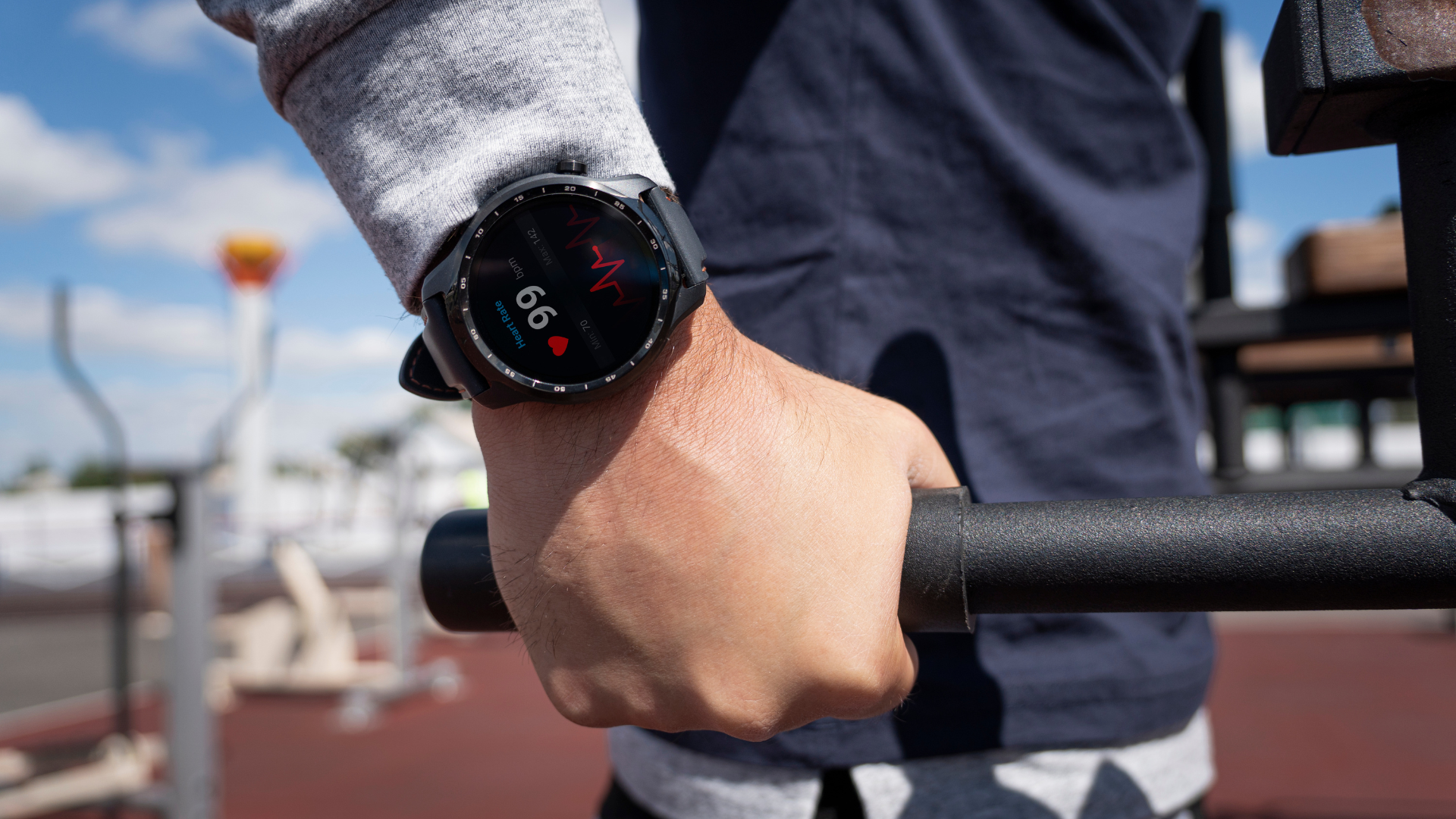
As people increasingly prioritize their health and fitness, the right fitness tracker can make all the difference. The best fitness trackers of 2024 combine advanced technology with user-friendly features, offering comprehensive health monitoring, activity tracking, and personalized insights. With options now more diverse than ever, individuals can find devices tailored to their specific fitness goals and lifestyles.
From heart rate monitoring to sleep tracking, these wearables provide valuable data that can enhance workout efficiency and overall well-being. As technology evolves, many trackers now incorporate smartwatch capabilities, allowing for seamless connectivity and enhanced usability.
This guide explores the best fitness trackers available in 2024, highlighting features, benefits, and reviews to help readers make informed choices about which device aligns best with their fitness journey.
Evaluating Top Fitness Tracker Features
Choosing a fitness tracker involves considering specific features that enhance usability and performance. Key aspects include accuracy in health metrics, design comfort, and battery efficiency. These features play a significant role in personal fitness goals and day-to-day usability.
Accuracy and Health Metrics
Accuracy is paramount when selecting a fitness tracker. Heart rate monitoring is a critical feature, with devices like Garmin and Fitbit leading in heart rate accuracy. This ensures users receive reliable data on heart rate variability and blood oxygen levels (SpO2 monitoring).
Features such as sleep tracking can be measured through sleep scores, offering insights into sleep quality. The Oura Ring 4 excels in sleep metrics along with continuous heart rate monitoring. Advanced trackers utilize sensors that enhance data collection, ensuring users receive comprehensive health insights.
Design and Comfort
When evaluating fitness trackers, design and comfort are essential. Many users prioritize lightweight designs, which make extended wear more pleasant. Models such as the Apple Watch feature AMOLED displays that are not only visually appealing but also easy to read.
Water resistance enhances the utility of swimming and other outdoor activities. Ergonomics play a role in usability, so the form factor must fit the user’s wrist comfortably. Additionally, customizable bands and overall aesthetics can influence user satisfaction.
Battery Life and Connectivity
Battery life is a crucial consideration, particularly for avid users. Most modern fitness trackers offer at least a week’s worth of battery life, with some, like certain smartwatches, boasting longer durations. Efficient battery use typically coincides with effective power management features.
Connectivity is necessary for integrating smart features, such as notifications and contactless payments. Compatibility with Bluetooth allows seamless synchronization with smartphones for text notifications and data transfer. Trackers that maintain strong connectivity ensure users remain engaged and receive real-time updates.
Best Fitness Trackers by Category
Fitness trackers vary widely to cater to different needs, preferences, and budgets. Below are the top choices segmented into categories that highlight their unique features.
All-Round Excellence
The Apple Watch Series 10 stands out for its comprehensive health tracking features. It offers advanced metrics for heart rate, sleep monitoring, and fitness tracking across multiple activities. Users appreciate its user-friendly interface and compatibility with other Apple devices.
The Garmin Venu 3 excels with its vibrant AMOLED display and enhanced GPS accuracy. It supports various exercise modes, including running, swimming, and cycling. With a focus on wellness, it provides detailed insights into stress levels and recovery time.
Both models cater to fitness enthusiasts aiming for a balanced approach to health and activity tracking. They are ideal for those who want an all-in-one solution.
Budget-Friendly Choices
For those on a tighter budget, the Fitbit Inspire 3 and Xiaomi Smart Band 9 offer excellent functionality without the hefty price tag. The Fitbit Inspire 3 focuses on essential fitness features such as step counting, sleep analysis, and exercise tracking across popular modes.
The Xiaomi Smart Band 9 is lauded for its impressive battery life and sleek design. It effectively tracks daily activity, and heart rate, and provides workout modes for running and cycling.
Both options ensure substantial tracking capabilities, allowing users to meet their fitness goals without breaking the bank.
Specialized for Sports
Athletes often require specific features tailored to their sport. The Garmin Forerunner 265 and Garmin Forerunner 165 are prime choices for serious runners. They provide in-depth running metrics, including VO2 max estimation and recovery insights.
The Fitbit Charge 6 is versatile and includes features for various sports, including swimming and cycling. It offers workout tracking, GPS functionality, and a user-friendly app for monitoring performance over time.
These specialized trackers help users fine-tune their training regimes and enhance performance across various sports disciplines.
Integrating Trackers with Your Fitness Regime
A well-integrated fitness tracker enhances the effectiveness of a workout routine. Understanding how to set goals and utilize data can lead to better health outcomes and improved performance.
Setting and Achieving Goals
Fitness trackers offer users the ability to set specific wellness and fitness goals, making it easier to track progress. With features like daily step counts and training readiness scores, users can create personalized objectives, such as walking 10,000 steps daily or training for a specific event.
Key strategies for setting goals include:
- Specificity: Define clear objectives (e.g., “run 5K in under 30 minutes”).
- Measurable Milestones: Use VO2 max estimates and recovery metrics to assess progress.
- Adjustability: Revise goals based on fitness levels and training readiness.
Regularly reviewing fitness data helps users stay motivated and ensure they are on track to achieve their health and fitness aspirations.
Understanding and Utilizing Data
Fitness trackers provide valuable insights into various aspects of health. By analyzing data on sleep habits, workout recovery, and body batteries, users can fine-tune their routines for optimal performance.
Important metrics to focus on include:
- Health Insights: Monitor sleep tracking and recovery time to improve daily readiness.
- Daily Readiness Score: Evaluate how well-rested and prepared one is for workouts.
- Recovery Metrics: Use this data to plan rest days and avoid burnout.
Leveraging these data points helps individuals make informed decisions, fostering long-term adherence to their fitness regimes while promoting overall wellness.